

Planning a destination wedding means coordinating a marriage and a mini vacation for everyone involved—often from thousands of miles away. No surprise, then, that 18 percent of 2024 couples left hometown ballrooms for passport stamps, according to The Knot’s 2024 Real Weddings Study. Done well, an all-inclusive resort can trim the $33,000 average U.S. wedding down to roughly $3,000–$12,000, according to destination-wedding specialist Paradise Weddings.
This guide distills 15 must-ask questions—from spotting “free” package fine print to confirming legal paperwork—so you can book a resort with total confidence and zero budget landmines.
Checkpoint 1: define your vision and shortlist resorts
Start with the big picture: what does your ideal celebration look like? Picture the setting, guest count and vibe, perhaps an intimate toes-in-sand ceremony for 25 or a sunset terrace party for 100. Lock those basics first; they will guide every decision that follows.
Next, translate the vision into numbers. Set a working budget for you and for your guests. If most friends can manage three nights under $1,500, jot that ceiling down now. Then map realistic flight paths for key travelers; a four-hour nonstop usually beats two layovers.
With vision and guardrails set, begin scouting. Instead of scattered searches, visit Paradise Weddings’ wedding resorts and packages directory, where you can sort by location, starting price, and built-in perks in minutes.

Paradise Weddings resort directory for destination wedding shortlisting
Finish this checkpoint with a shortlist of three to five resorts that meet your must-have criteria on paper. The rest of the guide builds on that focused starting lineup.
Checkpoint 2: scrutinize every cost in the “all-inclusive” package
Resort brochures love the word “free,” but surprise line items can wreck a budget. Before you trust a glossy ceremony photo, download the full wedding-package rate sheet and read it like a contract lawyer.
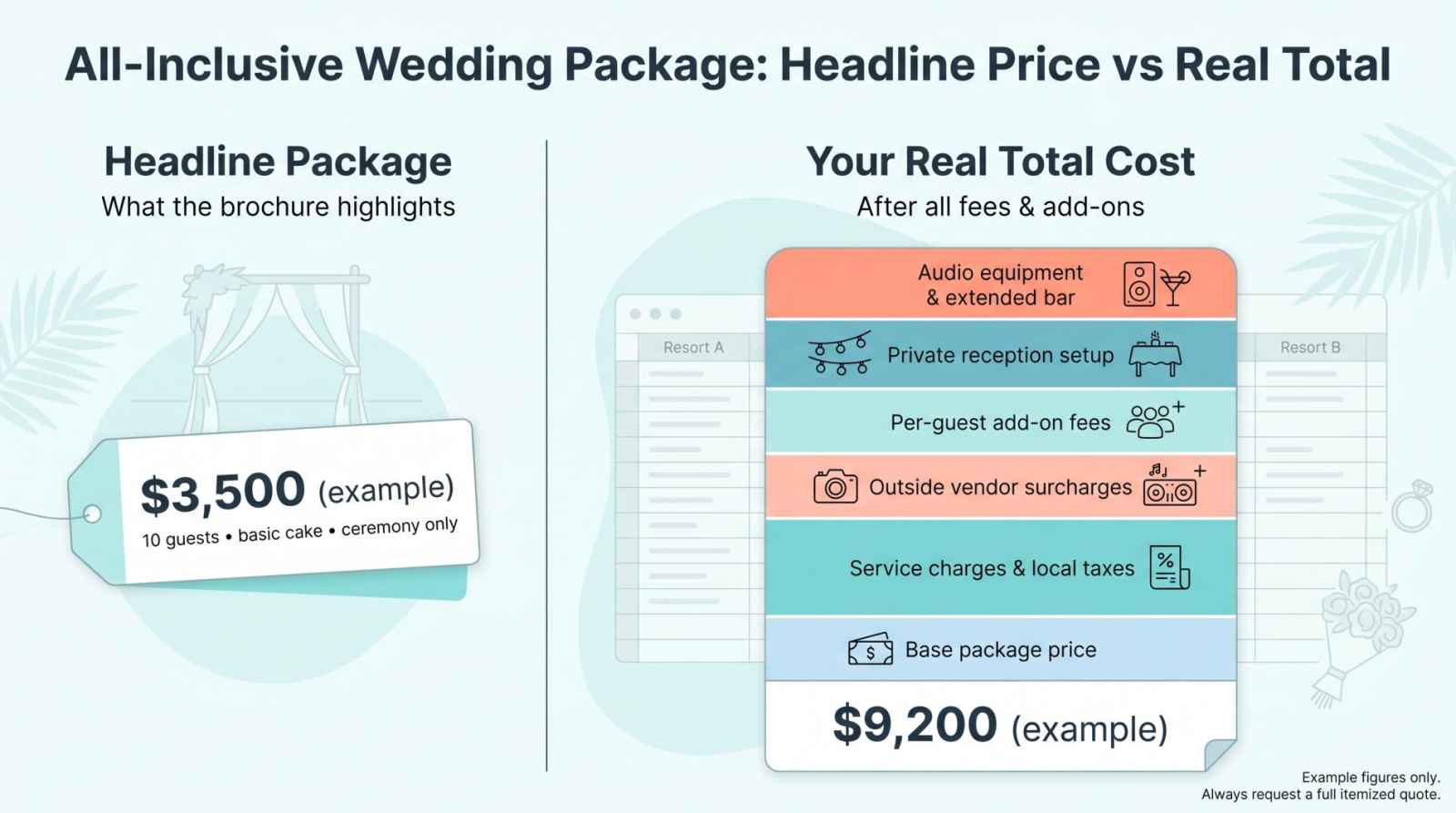
Start with the headline price. Many resorts offer a complimentary ceremony that applies only if you book a minimum number of room nights. Others promote a flat fee, yet that sticker may cover only ten guests and a basic cake. Use the typical destination-package range of $3,000–$12,000 as your reality check; if a package sits far outside that band, ask why.
Now dig into the fine print. Ask the coordinator to confirm, in writing, whether each item below is included or billed later:
- Service charges and local taxes
- Vendor surcharges, especially for outside photographers or DJs
- Per-guest add-on fees once you exceed the package headcount
- Private-reception setup, audio equipment and extended bar service
Track answers in a simple spreadsheet so you can compare costs across your shortlist. If Resort A’s “free” offer balloons after you add a DJ or extra chairs while Resort B’s mid-tier package stays flat, the smarter choice is clear.
Finally, request a sample invoice from a recent wedding of similar size. A transparent resort will share it gladly, and you will leave knowing the real bottom line instead of a marketing teaser.
Checkpoint 3: time your date around season and weather realities
Tropical sunshine sells postcards, yet climate data should guide the calendar. Most Caribbean and Mexican coasts split the year in two: a dry high season from December to April and a wetter stretch that peaks with hurricanes from late summer into early fall. Resorts may cut prices by 30 percent for September ceremonies, but that bargain carries a higher chance of storms and beach debris.
Ask each coordinator for the property’s hurricane or extreme-weather policy. Reputable resorts will reschedule at no charge if advisories close the venue. While you are at it, request unedited photos of the indoor backup space. If the “Plan B” is a generic conference hall far from beach vibes, budget extra décor or choose another date.
Sunset timing matters too. In Cancún, the sun drops behind the jungle, while on Cabo’s Pacific side you will capture that golden-hour water backdrop. Check local sunset charts and lock a ceremony time that provides flattering light and enough breathing room for photos.
Finish this checkpoint by choosing a month—and ceremony hour—that balances comfort, cost and weather risk. Record the resort’s reschedule policy with your notes for quick reference.
Checkpoint 4: decide whether your ceremony will be legal or symbolic
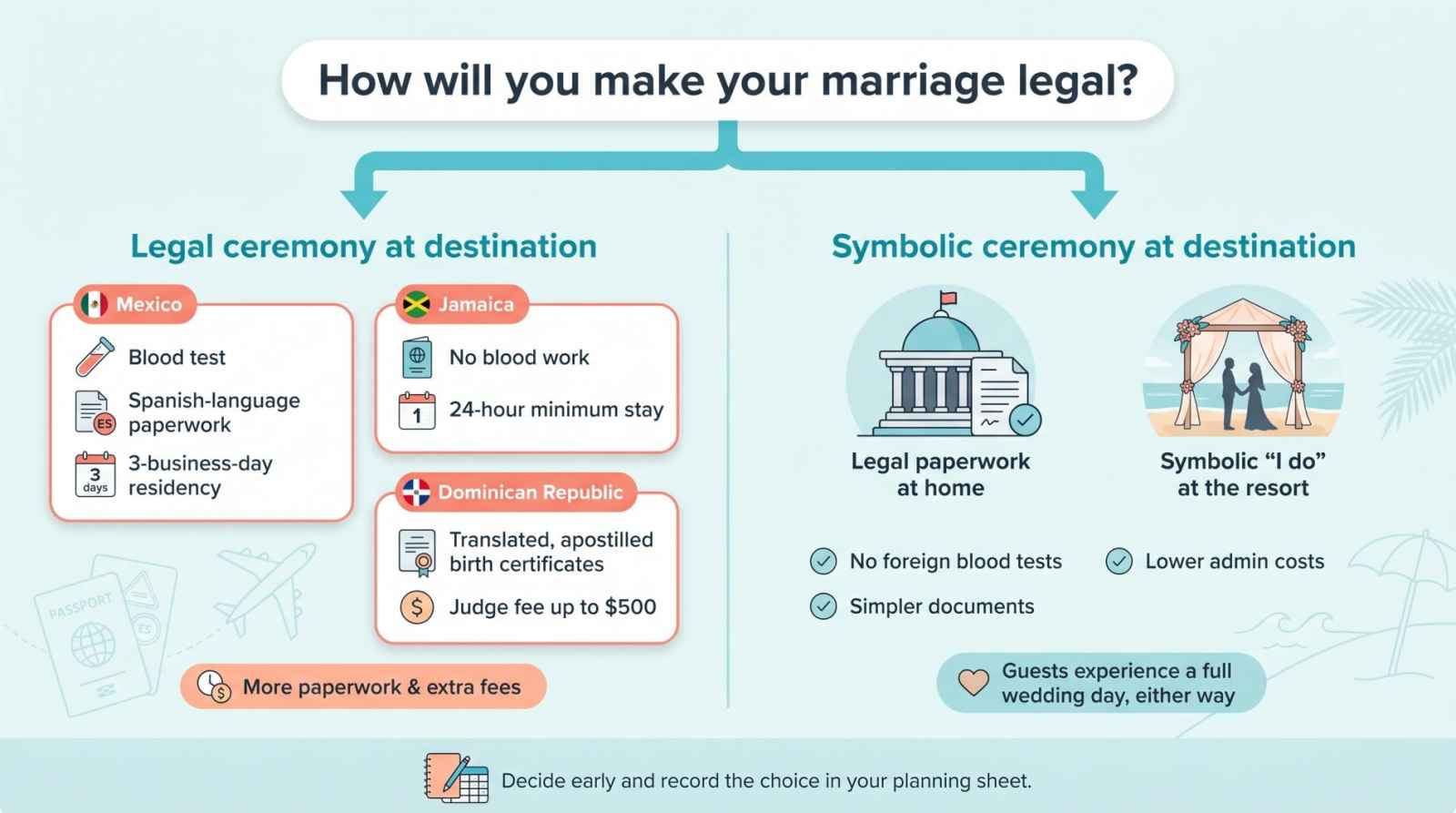
Early in planning, choose whether you will sign your marriage license abroad or handle paperwork at home and hold a symbolic “I do” on the sand. The decision affects travel dates, required documents and budget.
Legal ceremonies follow the host country’s rules. Mexico, for example, requires a lab blood test, Spanish-language paperwork and a three-business-day residency. Jamaica is easier with no blood work and only 24 hours in country, while the Dominican Republic asks for translated, Apostilled birth certificates and a judge fee that can reach $500.
A symbolic ceremony avoids extra costs and red tape; you sign the license at your local courthouse and treat the resort event as the emotional wedding. Guests will not know the difference unless you tell them.
Whichever path you pick, confirm in writing with your coordinator:
- List of required documents and translation needs
- Who files paperwork and the associated fees
- Whether the officiant cost is included in your package
Record the choice in your planning sheet so every later task aligns with it.
Checkpoint 5: assess wedding volume and coordinator support
Personal attention can turn a good celebration into a great one, so ask each resort how many weddings they schedule per day and what that means for you.
Boutique properties that host one wedding daily give you exclusive staff focus and flexible timelines. Larger all-inclusive chains may handle two or three events, rotating venues like a dinner service. That system works only when transitions are tight and teams are large enough to reset décor quickly.
Request specifics. Who will be your dedicated coordinator from now until the big day? When will you first meet on video? On wedding day, how many staff handle setup, guest ushering and cues for each key moment?
Track response speed during this exchange. If emails sit unanswered for a week now, expect similar delays later. Aim for a partner who replies within 24 hours, anticipates obstacles and offers solutions proactively.
Round out the checkpoint by asking for recent couple testimonials or a short reference call. A confident team will share these without hesitation. Note any red flags and score each resort accordingly in your planning sheet.
Checkpoint 6: tour every ceremony and reception space on screen or in person
The venue frames every photo and drives guest comfort, so inspect each option closely. Ask your coordinator for a current venue sheet that lists capacity, available times and privacy level. Then request unedited photos or a live video walk-through to check lighting, aisle width and nearby foot traffic.
Review capacity first. Will the gazebo fit 70 chairs without blocking the aisle? If guest count grows to 90, does the resort move you to a terrace with a new fee? Lock those thresholds now to avoid a last-minute switch.
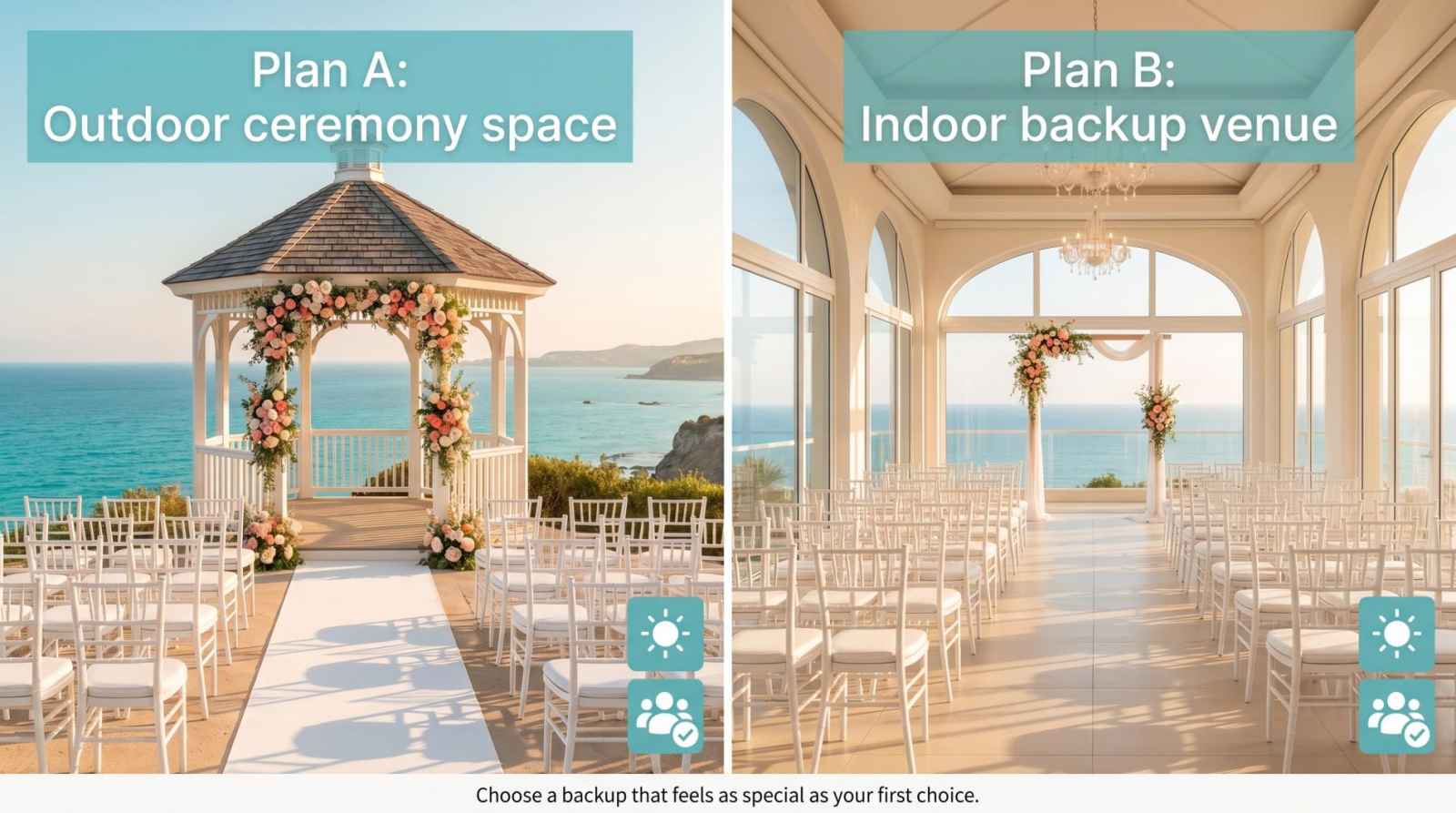
Plan B matters as much as Plan A. Confirm the indoor backup can seat everyone comfortably and matches your décor style. If a windowless ballroom feels off-brand, negotiate access to a covered terrace instead.
Clarify usage rules next. Some spaces carry noise curfews, décor limits or rental charges for lights and sound. Get those in writing so budgets stay accurate and no one debates policy on wedding day.
Finish this checkpoint by adding photos, floor plans and any restrictions to your planning sheet. Rank each space for style, logistics and backup quality.
Checkpoint 7: lock a guest-friendly room block and clear pricing
Guests are spending vacation days and savings to celebrate with you, so lodging must feel easy and fair.
Start by requesting a written room-block proposal from the group department. Focus on three numbers: the per-night group rate, the deposit each guest pays to hold a room and the attrition clause (how many rooms must book before unreserved nights become your cost). Negotiate a low or zero attrition target; many resorts waive penalties when you book through a destination-wedding travel specialist.
Paradise Weddings’ room-block guide notes that none of its couples have ever been charged for unfilled rooms because the agency negotiates contracts that cap liability at just 10 rooms for three nights.
Each reservation then feeds into a shared dashboard that tracks guest deposits, balances and flight details in real time.
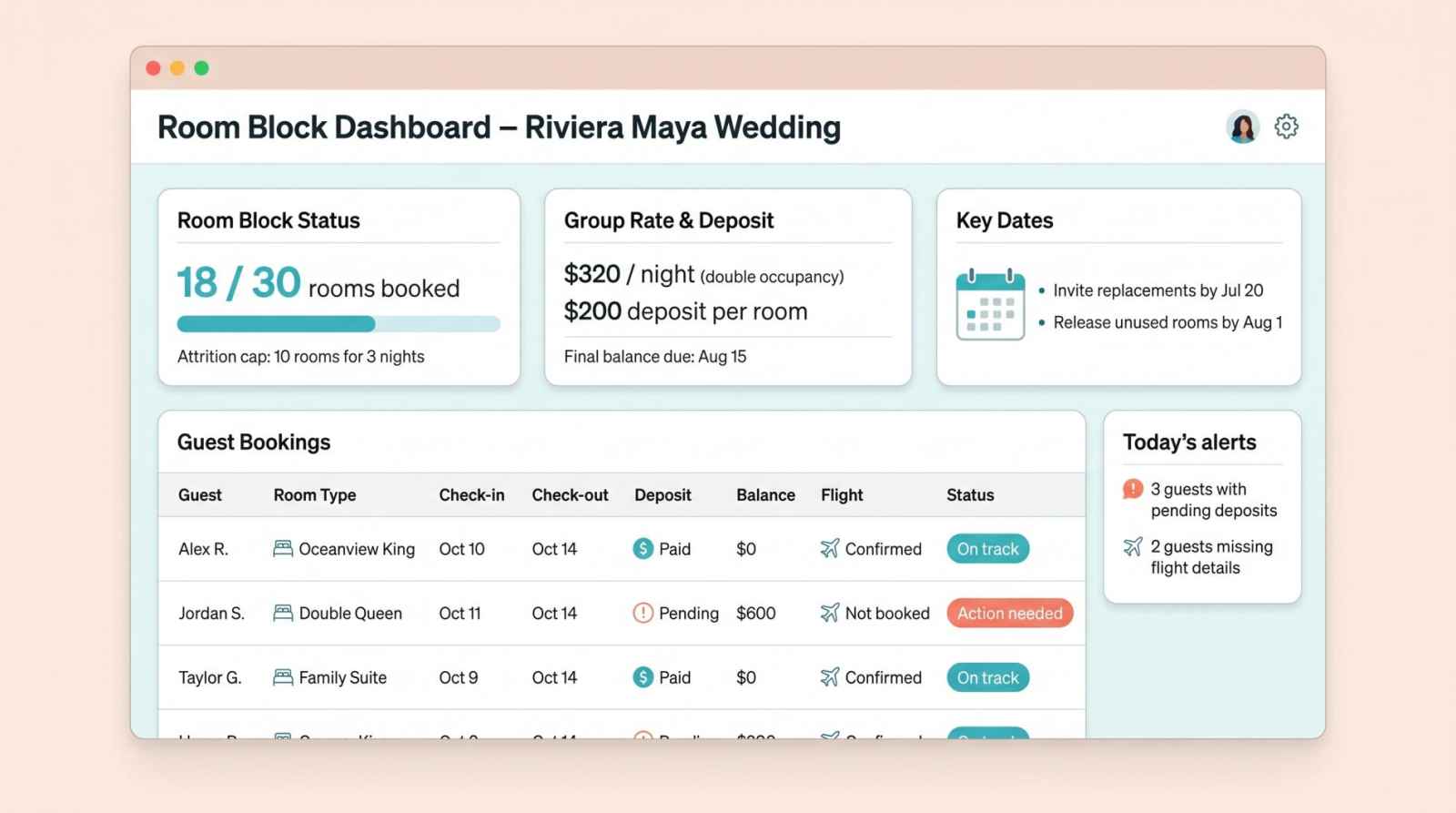
With that data at your fingertips, you can invite replacements or release rooms early—long before any attrition penalties kick in.
Confirm the room mix next. Will friends who share get two-bed rooms? Are connecting options available for families and accessible suites for grandparents? Put these details in the contract instead of relying on arrival availability.
Ask about payment flexibility. Some properties let guests reserve with a small deposit and pay the balance in installments. If the resort cannot process multiple payments, a planning agency can collect funds and forward one lump sum, so you avoid chasing balances.
Round out logistics by checking that airport shuttles are included or discounted and that the resort will provide a hospitality desk or welcome letter so every traveler knows the schedule.
Finish this checkpoint when the path is clear: book here, pay this, fly there. No hidden fees or last-minute surprises.
Checkpoint 8: audit flights, transfers and overall accessibility
A resort loses appeal if guests face three layovers and a two-hour bus ride. Start with flight maps: which major U.S. hubs offer nonstop or one-stop service to your destination? Pull sample fares for your wedding month so you can weigh Cancún’s $400 round-trip against Aruba’s $750 before you choose a venue.
Next, review airport-to-resort travel time. Anything beyond one hour after customs feels long, especially for parents with strollers or older relatives with limited mobility. Ask whether the resort provides shared shuttles, private vans or VIP transfers, and note the price per person. If transfers are not included, quote a local transport company so guests see the real door-to-door cost.
Accessibility is more than distance. Confirm that the property has ramps, elevators and golf-cart service. If wheelchairs or accessible vans are needed, secure them in advance; suppliers on small islands often sell out in peak season.
Close with paperwork. Remind guests to check passport expiration dates and, for destinations such as Jamaica, any travel-authorization forms still in effect. One missed document creates more stress than any décor detail you will plan.
When logistics feel seamless on paper, attendance climbs and the celebration starts as soon as guests clear the arrivals hall.
Checkpoint 9: make sure the resort keeps guests entertained beyond the “I do”
A destination wedding lasts three to five days, not three to five hours, so guests need activities that justify their airfare and keep them engaged while you handle photos and prep.
Start by scanning the resort’s daily schedule. How many restaurants operate without reservations? Are there evening shows, live bands or a quiet lounge for grandparents? Variety matters: kids’ clubs for families, swim-up bars for the party crew and a spa or golf course for downtime.
If adventure is a priority, ask the concierge about bundled excursions. Properties often partner with tour companies for reef snorkels, zip-line parks or cultural outings. Booking through the resort simplifies transport and gives guests a shared memory that enriches the weekend.
Plan for wedding-day gaps too. An early ceremony followed by a sunset reception leaves a long afternoon. Consider a group catamaran cruise or reserve a private pool cabana with snacks to keep energy high and sunburn low.
When entertainment options match guest interests, attendance feels like a real vacation, and your thank-you speech writes itself.
Checkpoint 10: clarify outside-vendor rules and hidden fees
You might love a hometown photographer whose style fits your vision, but first confirm the resort’s policy on external vendors.
Step one: ask whether outside photographers, DJs, planners or beauty teams are allowed. If yes, request the exact fee. Charges vary from a simple day pass to an $800 “outside vendor” surcharge that rivals the vendor’s own rate. Some resorts waive the fee if the pro stays three nights as a paying guest, so lodging can become your negotiation chip.
Step two: vet the in-house team. Request full photo galleries, live DJ mixes or recent bridal beauty portfolios. If their work impresses you, using on-property talent saves paperwork and fees. If the style feels generic, weigh that against the cost of importing your preferred crew.
Step three: confirm gear logistics. Will the DJ need extra power drops or a dance-floor rental? Must your photographer sign liability releases? Resolve those details early so no one scrambles for cables or signatures on wedding morning.
Document the policy, fees and any waivers in your planning sheet to keep creative control without blowing the budget.
Checkpoint 11: examine the contract—deposits, cancellations and insurance
The sales pitch ends when the contract arrives. This document protects your investment, so read every clause carefully.
Begin with the payment schedule. Most resorts require a small booking deposit, a larger installment midway and a final balance 30 days out. Confirm exact dates and the consequence of missing one. If the timeline feels aggressive, request flexibility before signing.
Next, review cancellation and postponement terms. Will you lose only the deposit or the full balance if you reschedule? Some properties allow a free date move within twelve months; others count it as a new booking. If wording is vague, ask for a revision that lists penalties plainly.
Add extreme-weather language to your checklist. A strong contract states what happens if a hurricane closes the resort or makes it unreachable. Pair the clause with event-cancellation insurance from a carrier such as Markel, which reimburses non-refundable deposits when covered disasters strike. Record the policy number for future reference.
Finally, confirm that every promised perk—free cocktail hour for ten rooms booked, vendor-fee waiver, room upgrades—appears in writing. Verbal assurances fade; written addendums last.
When each promise is on paper and every “what if” has an answer, sign and pay with confidence.
Checkpoint 12: double-check recent reviews and renovation news
Marketing photos capture a resort on its best day; guest reviews reveal how the story ends. Before wiring the final payment, read feedback from the last six months on TripAdvisor, Google and destination-wedding forums. Look for patterns—slow bar service, beach erosion, coordinator praise—rather than single complaints.
Next, search for press releases or travel-trade articles announcing renovations or management changes. A lobby upgrade sounds exciting until construction fences surround the ceremony gazebo during your dates. If work is scheduled, request written confirmation that all wedding venues will be fully open.
Finish with a quick crowd-check. Post in a Facebook or Reddit destination-wedding group: “Anyone married at Secrets Wild Orchid lately? How was the service?” First-hand replies often surface tips brochures omit, such as a must-request bartender or early-morning seaweed cleanup.
When reviews, news and community chatter match the resort’s promises, you can book with confidence.
Checkpoint 13: confirm the resort meets cultural, religious and inclusivity needs
Weddings reflect personal traditions, so the resort must accommodate each one. If your celebration involves faith rituals, cultural customs or dietary rules, verify capability before paying deposits.
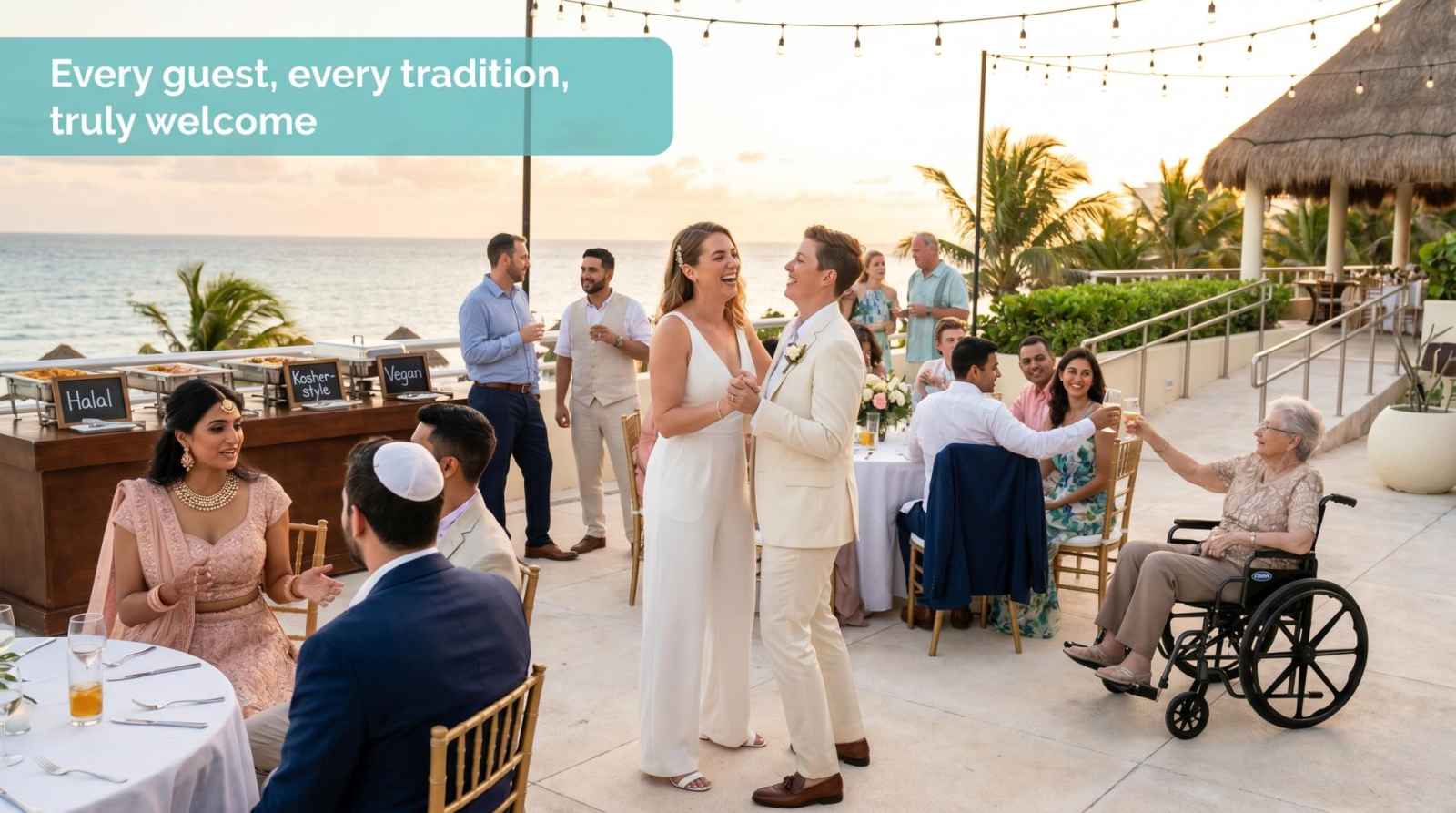
Start with ceremony requirements. Need a Catholic Mass? Ask whether the property has a chapel recognized by the local diocese and how far in advance you must secure the priest. Planning a Sikh or Hindu wedding? Confirm whether outdoor fire rituals are allowed and if the venue provides a mandap or permits outside décor specialists.
Next, inspect culinary flexibility. Resorts often promise “custom menus,” but kosher, halal or strict vegan service requires separate kitchens or certified suppliers. Request sample menus and proof of certification rather than verbal assurances.
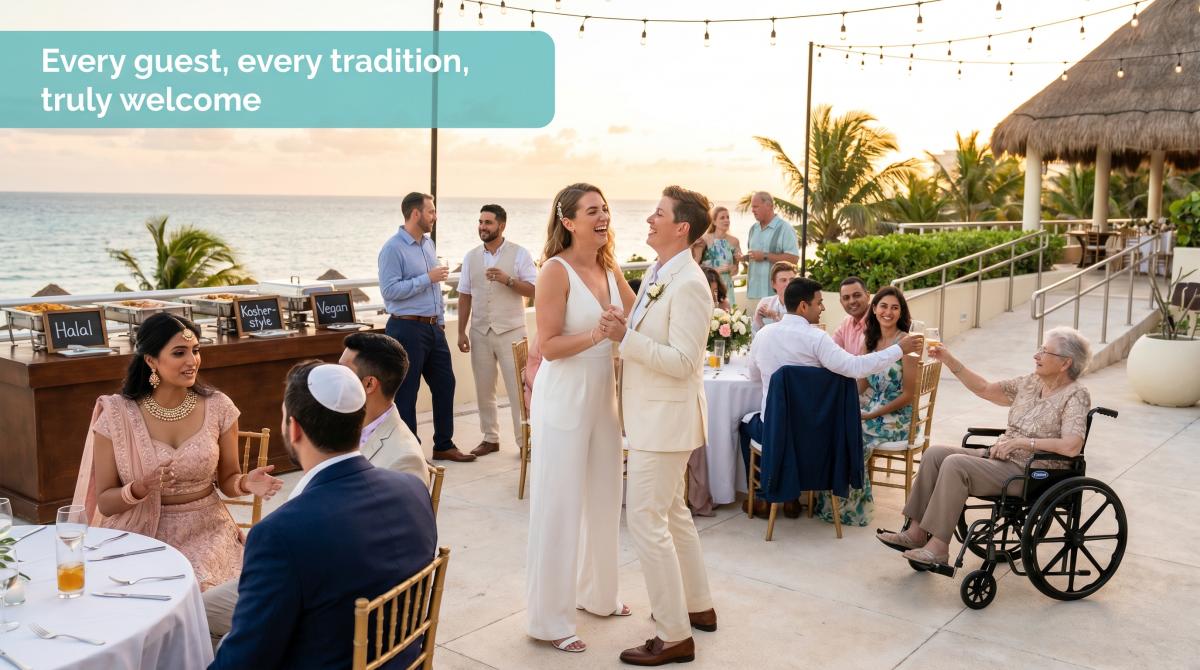
Inclusivity extends to guest comfort. Same-sex couples should ask for recent examples of LGBTQ+ weddings hosted, not just a policy statement. If elders or guests with disabilities attend, double-check ramp access to every event space, including beach venues reached by boardwalk or beach wheelchairs.
When the resort answers each question with specifics—photos, menus, past-event references—you can relax knowing every guest feels welcomed and every tradition is honored.
Checkpoint 14: review the resort’s sustainability and safety standards
Eco-minded couples expect more than recyclable straws; the venue should protect the setting you picked. Ask whether the resort holds certifications such as Green Globe or Travelife, and request a one-page summary of current initiatives. Many properties now run solar panels, onsite desalination and turtle-nest protection programs that reassure guests their celebration leaves a light footprint.
Safety is the companion priority. Confirm 24-hour security, lifeguards at main pools and a staffed medical clinic or on-call doctor. In storm-prone regions, verify that backup generators power event spaces as well as guest rooms. If the property filters its own drinking water, great. If not, ask how bottled water reaches rooms and bars.
Share these efforts with guests. A brief note in the welcome packet about refillable water stations or reef-safe sunscreen signals that you chose a venue that values both people and planet.
Checkpoint 15: schedule a preview trip or live video tour before you sign
Nothing beats standing on the sand where you will say your vows. Many resorts offer “test-drive” stays, often two nights at a reduced rate credited back once you book. Use the visit to walk each venue, taste the food, meet your coordinator in person and time the sunset.
If a trip is not possible, request a live video walk-through. An on-camera stroll from the lobby to the ceremony site reveals distances, lighting and any construction noise that a polished promo skips. Keep your question list handy to confirm backup rain locations, hear the DJ setup and view a standard guest room.
During the preview—virtual or in person—note staff attentiveness. Do employees greet you by name? Does the coordinator anticipate details you missed? These small signals predict performance on wedding day.
Leave with clear confidence or a list of issues to resolve. Only then is it time to sign the final contract, send deposits, and start the countdown.
are you a bride or groom-to-be?
We'd love to plan with you on weddingday-online.com. Let's get started!
are you a wedding extraordinaire?
Join WeddingDay Magazine in inspiring brides by partnering with us! See how here.



An Italian Lakeside Wedding
Allyson Hutchison | March 20, 2023
Stockton House Weddings
WeddingDay | May 16, 2025
Top Venues in Ashburn, VA
WeddingDay | July 24, 2024
Meet Inisfree Estate
Allyson Hutchison | January 20, 2025

A Boho Destination Wedding
Allyson Hutchison | February 25, 2025
Join the conversation
Log in or register to post comments