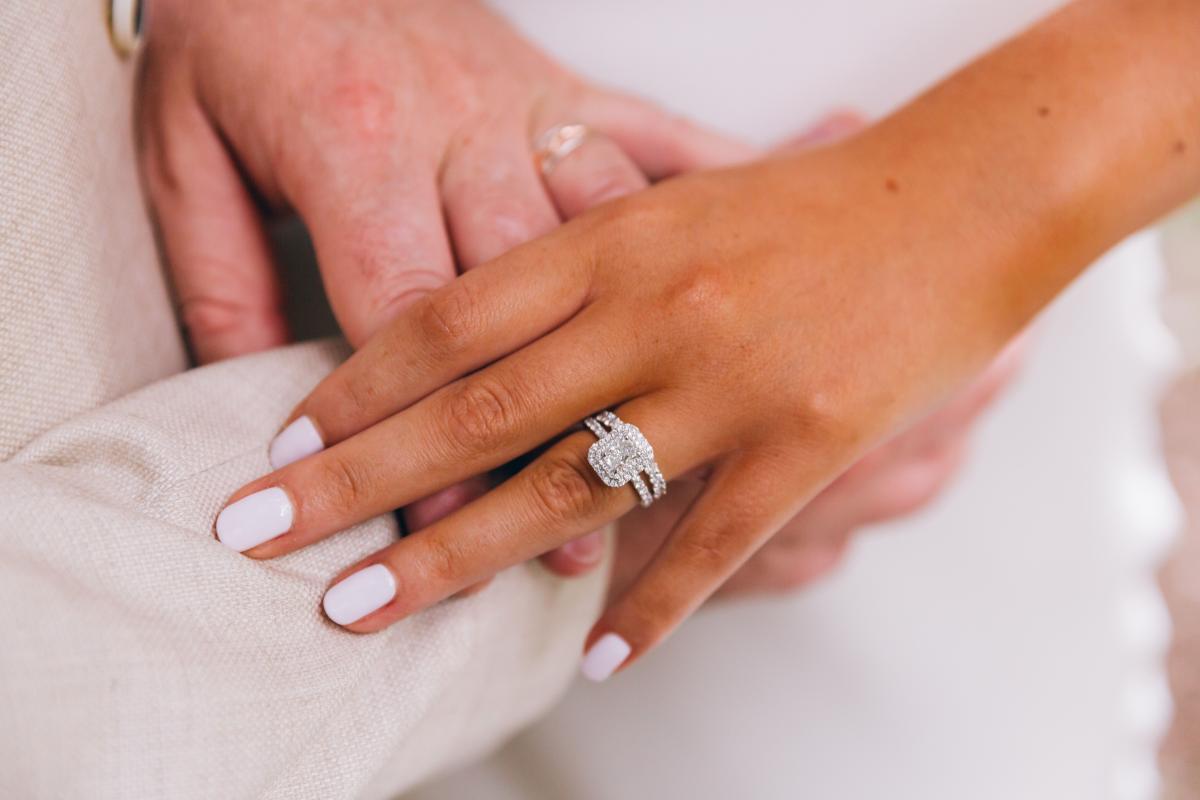
Two rings rest side by side on the jeweler's velvet, both priced alike. One holds a lab-grown diamond far larger than you imagined, flashing under showroom lights. The other holds a smaller natural stone, modest in size but rare in origin.
Choosing between a larger lab-grown diamond and a smaller natural one can feel like a tug-of-war, yet smart cut and setting choices can help a smaller stone hold its own.
Why the Same Price Buys a Much Bigger Lab-Grown Diamond
When it comes to rings, many brides-to-be end up deciding between getting a bigger lab-grown diamond or a smaller natural one for the same price. The decision starts with the question of where each stone comes from. Lab-grown diamonds are grown in controlled lab settings.
Lab-grown diamond prices continued to decline across the market due to high production capacity and consistent availability, while competition remains fierce. Natural diamonds follow a different path. They require mining and processing, so limited supply tends to shape their price more than production capacity does.
Two diamonds may look the same, with one weighing 0.71 carats and the other 0.61. The heavier stone has a larger girdle, the narrow band around its edge. The weight from the girdle may raise the cost without adding visual impact.
Why a Smaller Natural Diamond Can Still Feel Like the Right Choice
A smaller center stone means less size on the hand. Some brides-to-be, though, focus less on carat weight and more on what the ring is meant to say when deciding between a lab-grown diamond and a natural stone.
For them, a smaller natural diamond can read as an intentional choice. According to The Diamond Collective, formerly known as the Natural Diamond Council, an industry-funded, nonprofit trade organization that markets and promotes natural diamonds, “natural diamonds were formed between 90 million and 3 billion years ago through the effect of high pressures and temperatures on carbon found approximately 100 miles below the Earth’s surface.”
This showcases how diamonds have been part of Earth for eons. It can be a good symbol for an everlasting marriage. Careful craftsmanship also adds to that appeal. A well-cut smaller diamond can show off brilliance and fire without relying on size to make a statement. This suits brides-to-be who prefer understated elegance. A smaller one, chosen for its rarity and craftsmanship, may feel like a deliberate, value-conscious decision.
How Natural Diamonds Are Verified Conflict-Free Today
According to The Diamond Collective, "Heritage or heirloom pieces are precious and outlast fleeting fashion trends, allowing them to become a meaningful part of our personal history and identity." If your ring is meant to carry that kind of history, you may want the diamond at its center to be conflict-free too, so its origin matches its meaning.
Industry verification of natural diamonds rests primarily on the Kimberley Process certification system. This program is shared by governments in more than 80 countries. Private industry tracking systems and supply chain audits may add further checks.
The Kimberley Process and the United Nations both put the share of conflict diamonds at below 0.1% of global production today. That means more than 99% of the world's diamonds fall outside that category, a useful figure for couples who weigh ethics in their ring choice.
How Cut, Proportions and Setting Choices Make a Smaller Diamond Look Bigger
A smaller natural diamond can hold its own when cut and setting work in its favor. When you compare a bigger lab-grown diamond or a smaller natural one, those two choices often shape how large a stone appears more than carat weight alone does.
That comparison also depends on transparency, including whether a grading report clearly identifies how a lab-grown diamond was created. CVD and HPHT are the two main methods used to create lab-grown diamonds, with CVD using a carbon-rich gas and HPHT using high pressure and high temperature to form the stone.
The Diamond Collective shares how, “Laboratory-grown diamond reports must always disclose in a clear way that they are laboratory- grown. For example, the GIA laboratory-grown diamond report24 provides information as to whether a diamond was made via CVD or HPHT.”
Prioritize Cut Over Carat Weight
A stone with good proportions reflects more light on its surface, making it seem larger and brighter than one with bad proportions. Diamonds that have an Excellent or Very Good cut grade often appear vibrant.
On the other hand, a smaller, well-cut gem can surpass the brilliance of a larger, poorly cut diamond. A higher cut grade may signify exceptional craftsmanship and visual performance. These qualities encapsulate the beauty of diamonds.
Prices vary by retailer, shape and quality. For round stones in G color and very slightly included clarity, a 0.50-carat natural diamond is priced at a median of about $872, and a 2-carat lab-grown diamond is near $781. A 1-carat natural stone is priced at around $3,422, while a 3-carat lab-grown stone is priced at around $1,801.
Choose a Setting That Enhances Perceived Size
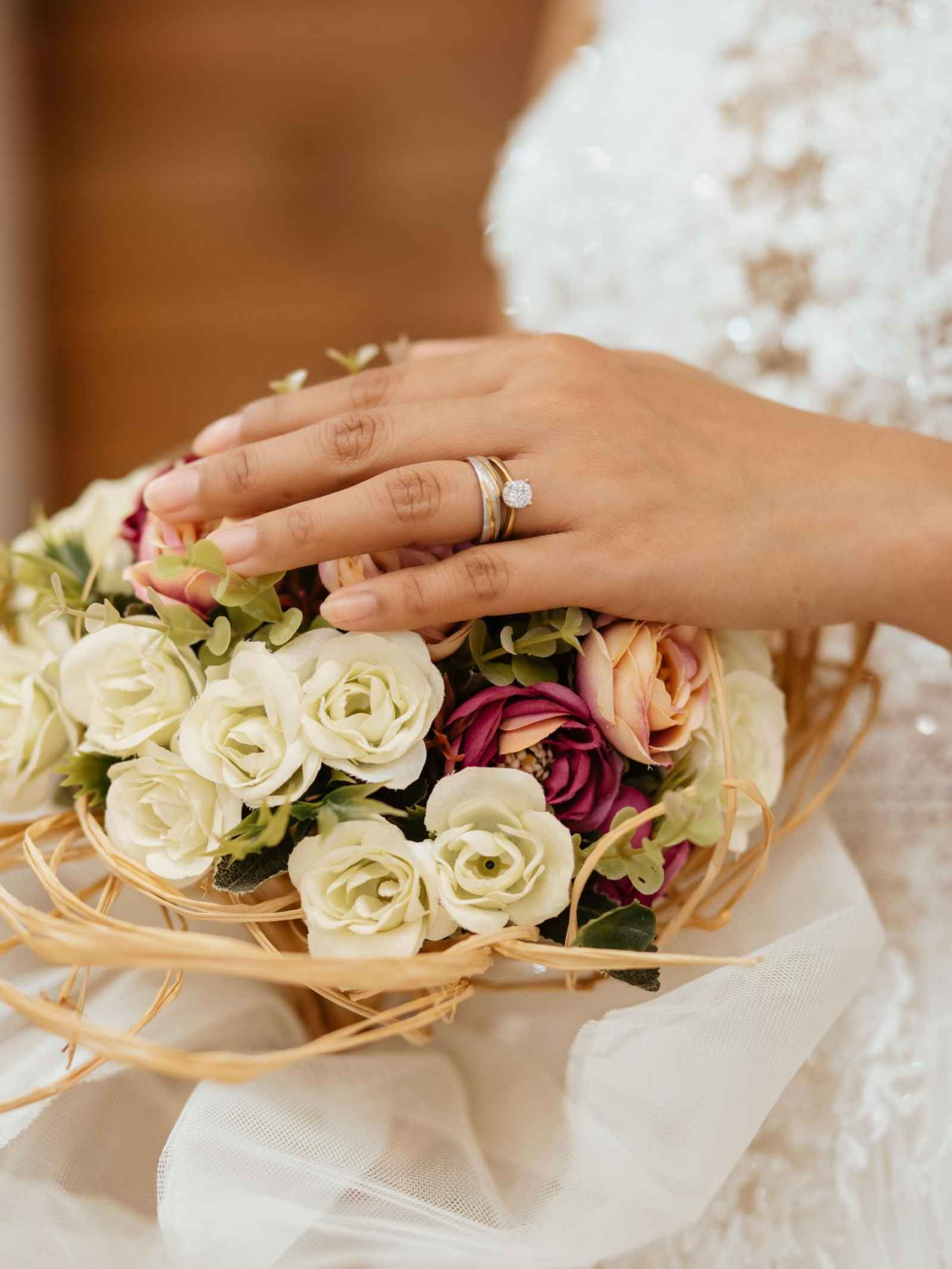
The right setting can extend a smaller stone's presence. A jeweler can show each style on a similar center stone for easy comparison. A halo is a ring of small accent diamonds that surrounds the center stone on the same plane, framing it from above and widening its footprint.
A hidden halo is when small accent stones sit beneath the center stone's girdle or along the base of the prongs rather than around the top, which may add sparkle in profile. Lastly, pavé is when tiny, closely set accent diamonds line the metal band and can make the center stone feel more substantial.
What Same-Budget Trade-Offs Look Like in Real Rings
If rarity matters most to you, a natural stone just under 1 carat with an Excellent cut and a plain band is a smart pick. The plain band keeps every eye on the diamond.
If sparkle matters most, a 0.75-carat natural stone may appear larger and brighter than its weight would suggest. You end up with a ring that looks lively from every angle and still carries the story of a natural diamond. If maximum size matters most, a larger lab-grown stone with an Excellent cut and a halo is a reasonable choice.
Think of a fixed budget as a set of levers. These trade-offs help a smaller natural diamond keep its wow factor:
- Cut grade: Stepping from Excellent to Very Good may free budget for extra size.
- Carat weight: A stone just under 1 carat may cost less, since natural prices tend to jump at the full-carat mark.
- Proportions: Skipping a thick girdle means you don't pay for hidden weight.
- Setting and band: A plain band may leave more room for the center stone to shine.
Frequently Asked Questions
Here are the most commonly asked questions about lab-grown and natural diamonds.
Q: Why does a natural diamond cost more than a lab-grown diamond of the same size?
A: A lab-grown diamond or natural stone of the same size can carry very different prices because lab-grown production can scale. On the other hand, natural supply depends on limited resources.
Q: Are today's natural diamonds a sourcing concern for couples who care about ethics?
A: Kimberley Process and United Nations figures suggest that conflict diamonds account for less than 0.1% of global production. Couples who want extra assurance can ask a jeweler about Kimberley Process certification for a specific stone.
Q: What should a bride prioritize if she chooses a smaller natural diamond?
A: Cut quality and proportions deserve the most attention. A well-cut stone can look larger and brighter than its carat weight suggests. Checking the cut grade on the grading report and comparing stones face up in person can confirm a stone looks as large as expected.
Choose the Diamond That Matches Your Priorities
A bigger lab-grown diamond offers more size for the money, while a smaller natural diamond offers rarity and a story many brides-to-be find meaningful. Wedding planners can help couples define those priorities before the ring appointment.
In the end, the choice of a bigger lab-grown diamond or a smaller natural one for the same price depends on what you value most. You can choose between visible size and budget flexibility or rarity and lasting meaning. Comparing stones side by side and asking questions about cut, setting and sourcing can help you reach a decision that feels confident and informed.
are you a bride or groom-to-be?
We'd love to plan with you on weddingday-online.com. Let's get started!
are you a wedding extraordinaire?
Join WeddingDay Magazine in inspiring brides by partnering with us! See how here.

12 Detroit Proposal Locales
WeddingDay | November 21, 2025

An Iconic Chicago E-Session
Kaitlyn Smale | February 27, 2026
D.I.Y. Wedding 101
Kathy Jonas | July 24, 2015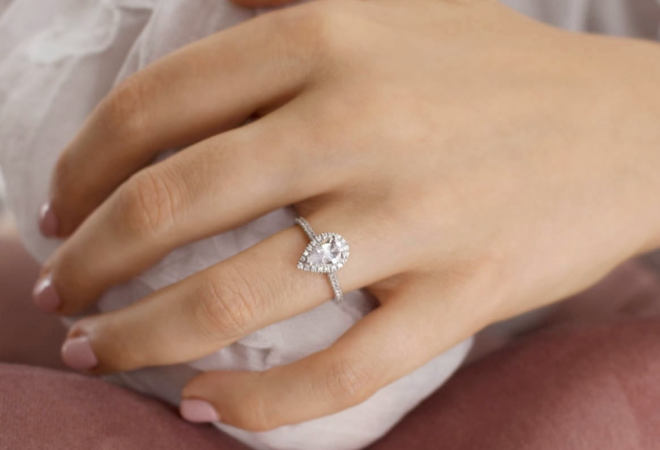

Choosing an Engagement Ring
WeddingDay | November 10, 2026

30 Rustic Wedding Ideas
WeddingDay | November 9, 2026
Join the conversation
Log in or register to post comments